



Install Steam
login
|
language
简体中文 (Simplified Chinese)
繁體中文 (Traditional Chinese)
日本語 (Japanese)
한국어 (Korean)
ไทย (Thai)
Български (Bulgarian)
Čeština (Czech)
Dansk (Danish)
Deutsch (German)
Español - España (Spanish - Spain)
Español - Latinoamérica (Spanish - Latin America)
Ελληνικά (Greek)
Français (French)
Italiano (Italian)
Bahasa Indonesia (Indonesian)
Magyar (Hungarian)
Nederlands (Dutch)
Norsk (Norwegian)
Polski (Polish)
Português (Portuguese - Portugal)
Português - Brasil (Portuguese - Brazil)
Română (Romanian)
Русский (Russian)
Suomi (Finnish)
Svenska (Swedish)
Türkçe (Turkish)
Tiếng Việt (Vietnamese)
Українська (Ukrainian)
Report a translation problem



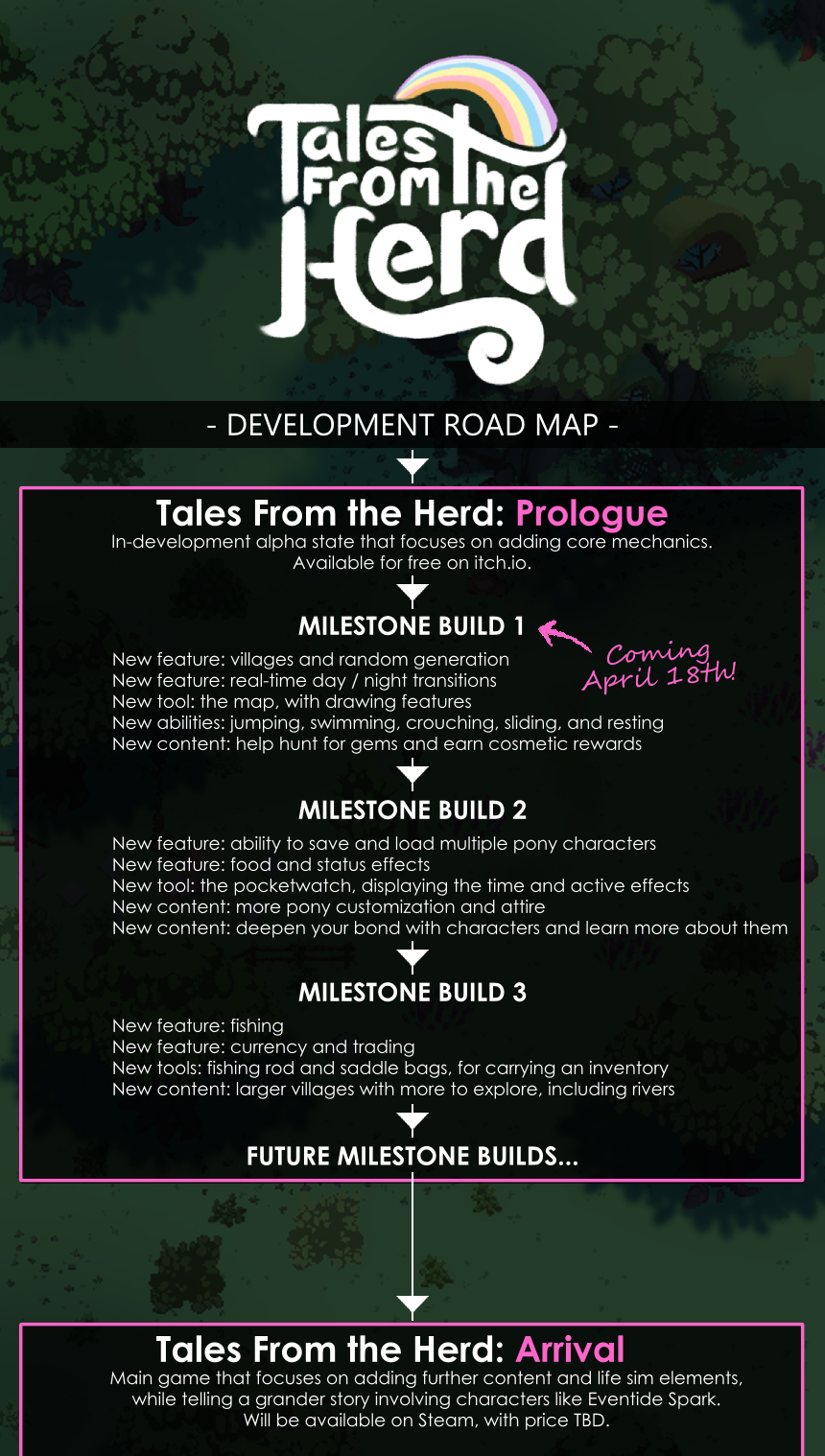 * To be clear plans may deviate from this roadmap, depending on the circumstances.
 I have to admit something to you: while I have been posting regular monthly updates to social media for the game, I haven't been good – at all – about posting them here on Steam. Originally I wasn't sure if I even should post small dev updates here, if there were rules against it, if it would annoy people who just want to wishlist the game and only know when it comes out, etc., etc.. And truth be told, Steam documentation and navigating this environment as a dev has been a lot more complex than posting onto social media, but considering this is where the game will eventually launch, that's hardly an excuse!
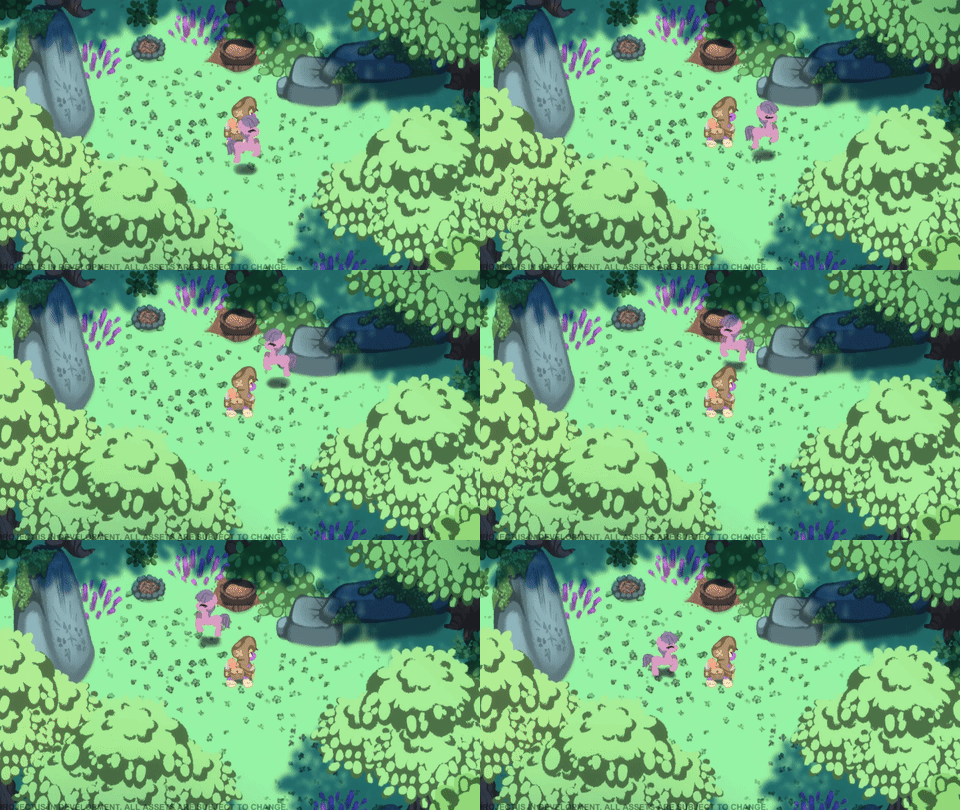
 There are two layers I considered to this problem: the first was a technical one, as I had only ever run scenes in the game one at a time, and with no connection to one another. And since I want the game to feel as seamless as possible, I needed to develop a way to carry characters between these scenes like they weren't scenes at all, but instead interconnected regions of a world.
 Seeds and Random Generation
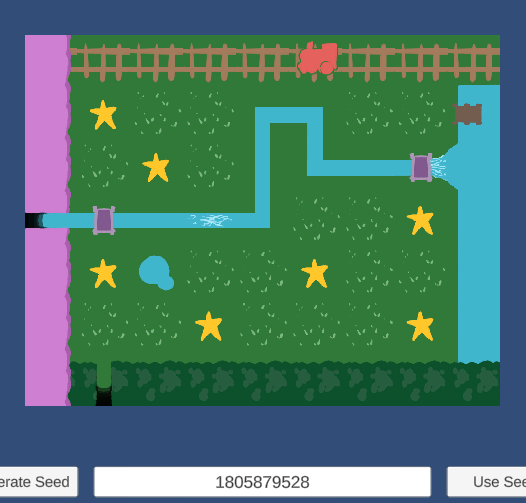 Chances are you've run into the term 'seed' before in games, especially if you've played the ever popular genre of roguelikes (I suppose the biggest game on Earth, Minecraft, would also be a sound example). But in short, computers aren't really capable of generating true, literal randomness, and instead use something called a seed (a string of numbers basically) to simulate that randomness. Normally this process is hidden, but sometimes it's actually helpful for developers to expose this process to the player.
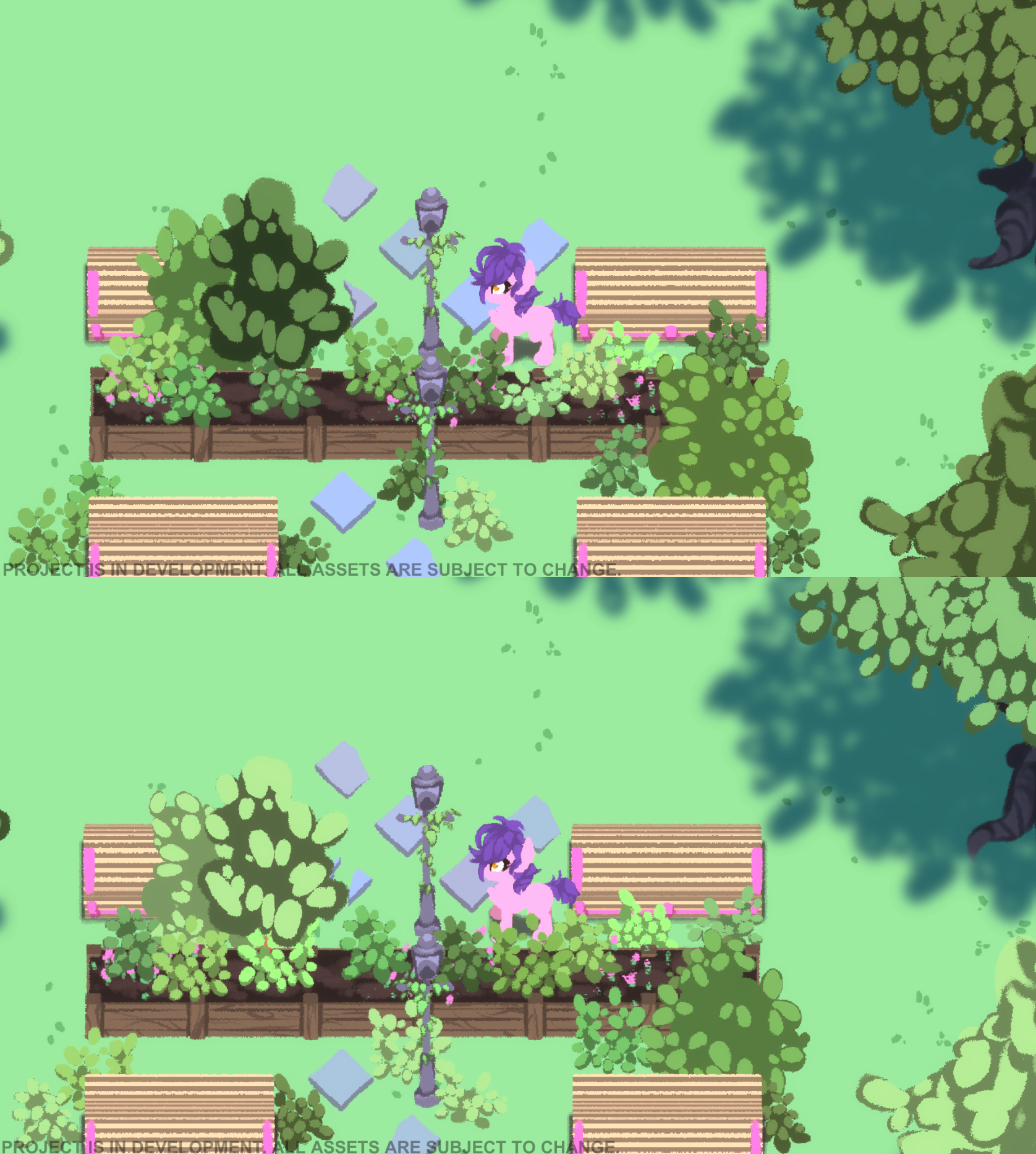 Smarter Ponies
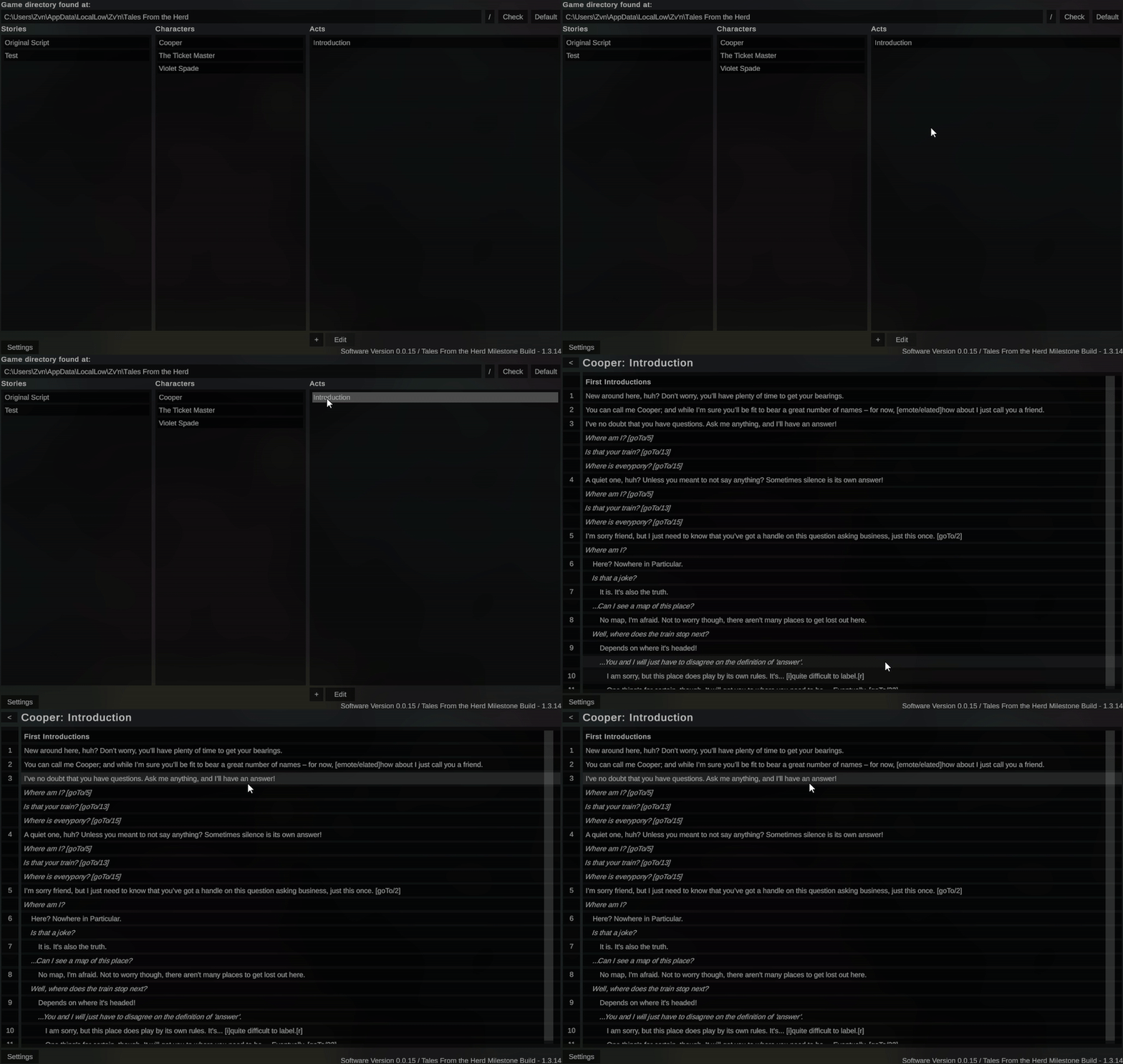
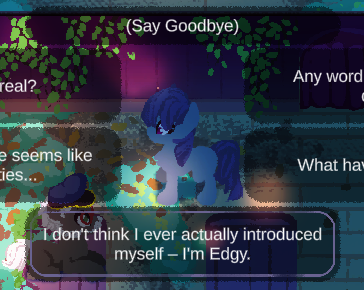 I also fleshed out a system that very early on was basically only designed to allow characters to call each other by their names and understand pronouns, but ended up becoming a way more powerful tool than first imagined. I call it "Fancy Talk", and it allows simple text to be converted in real time to names of ponies and places, start and check on quests, recall memories, allow custom player-typed responses, and even allow for simple programming – all inside of a text box.
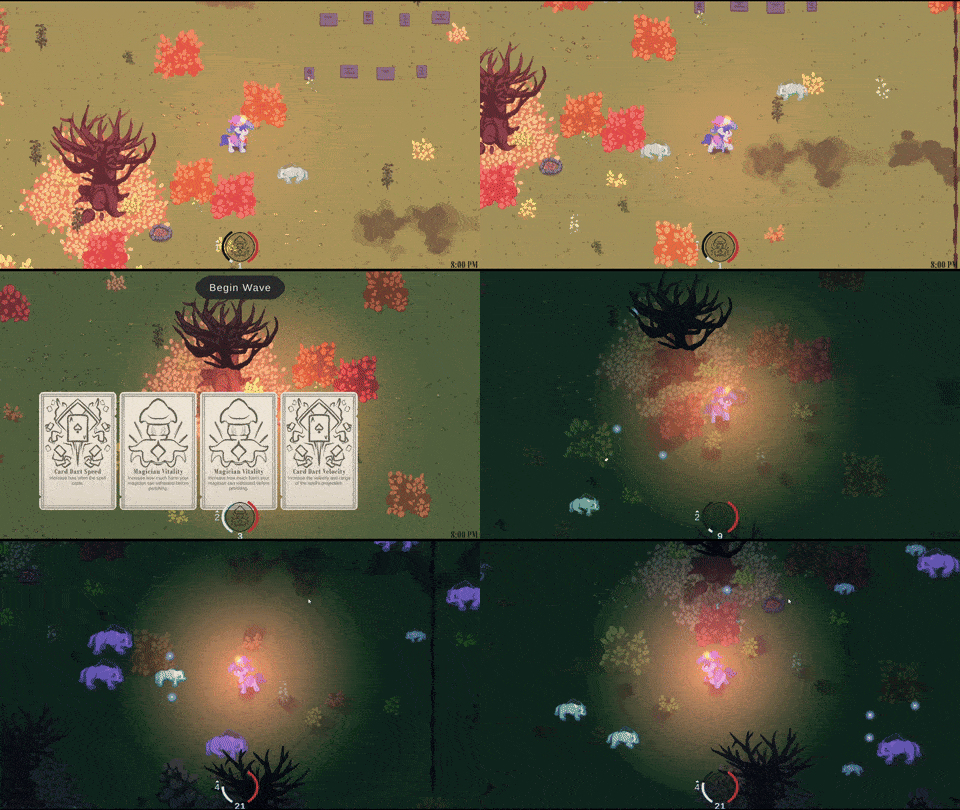
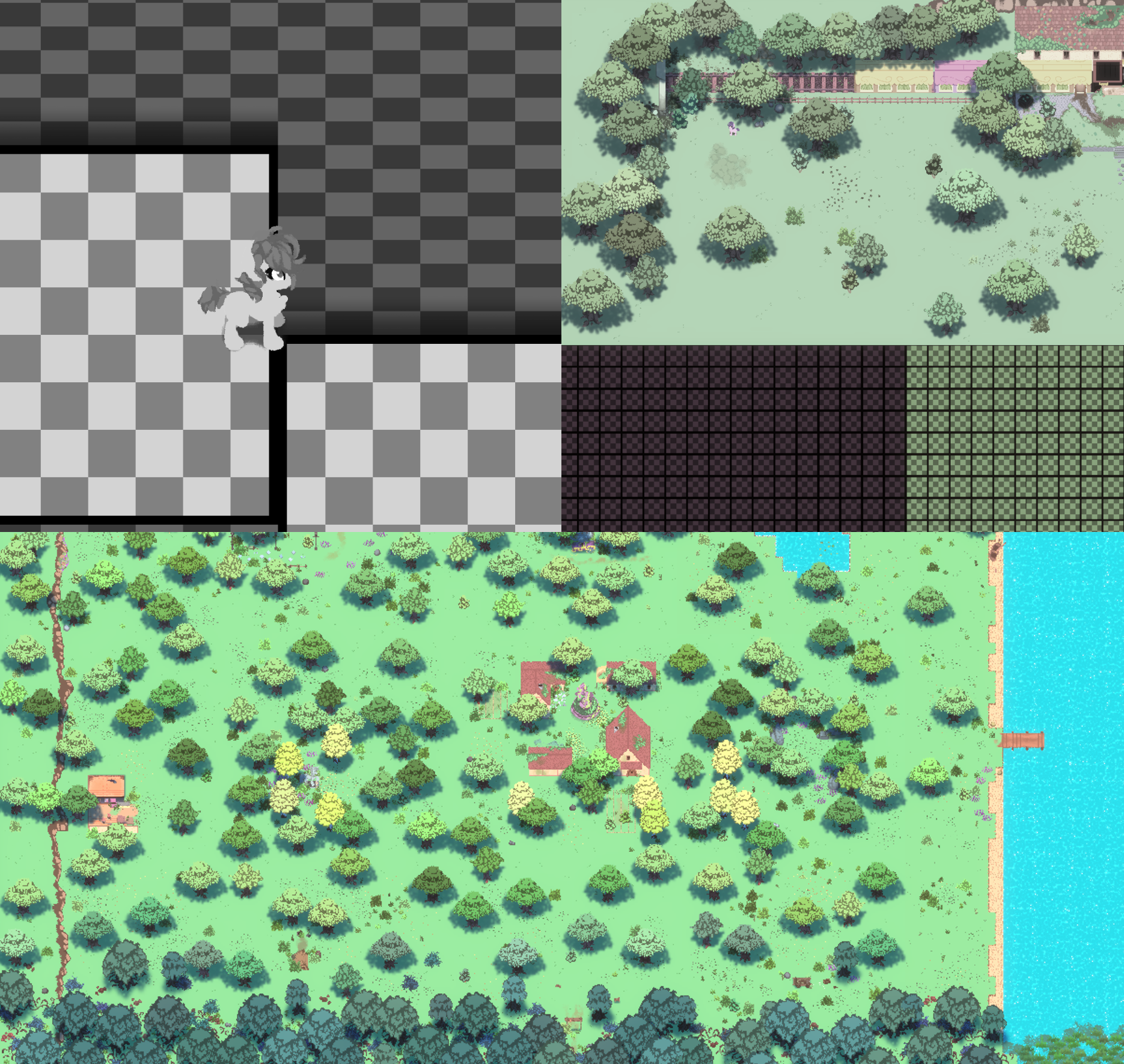
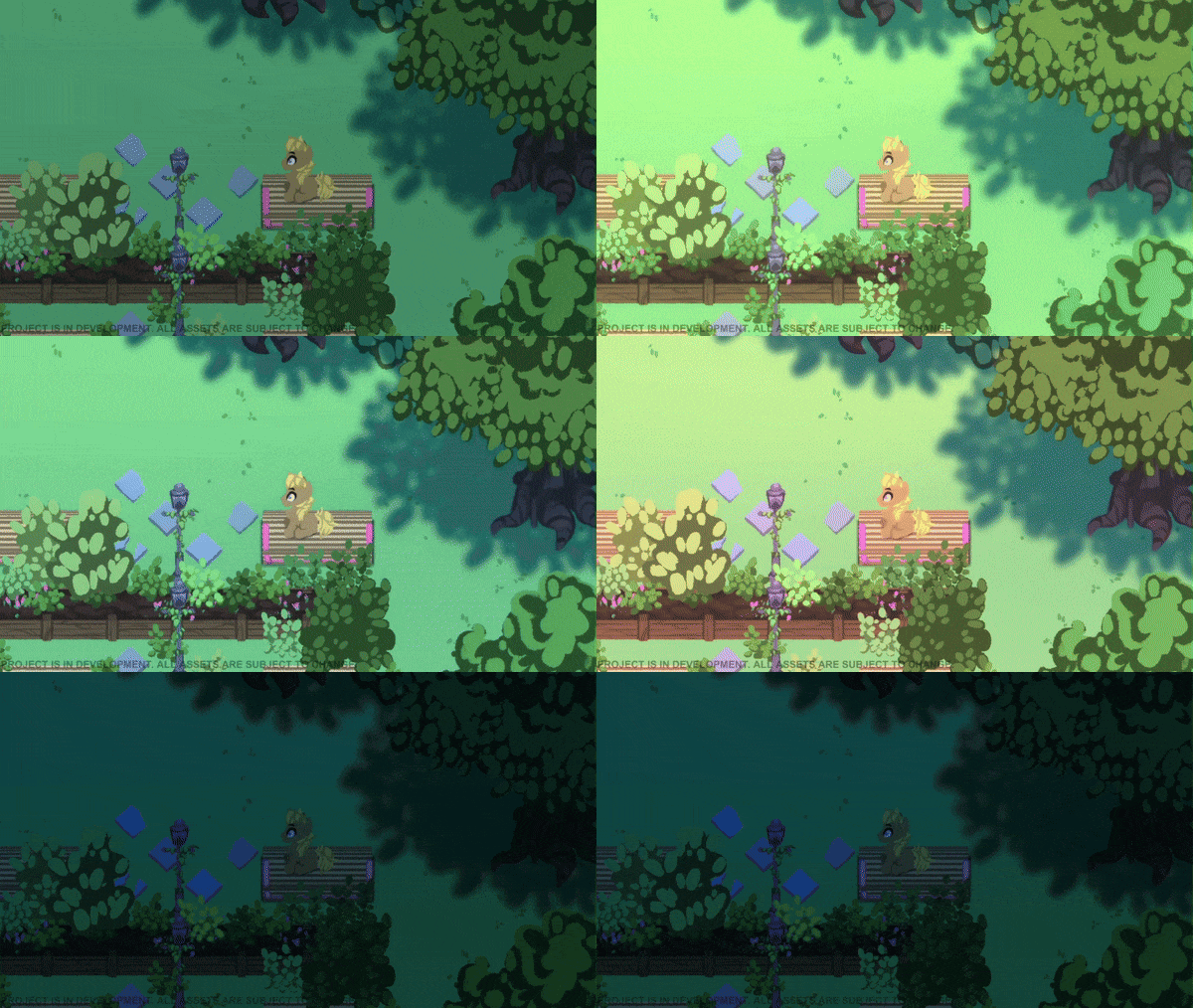 In that month's blog, I described approaching game design as an artist first, and the sort of corner it backed me into with the shadows.
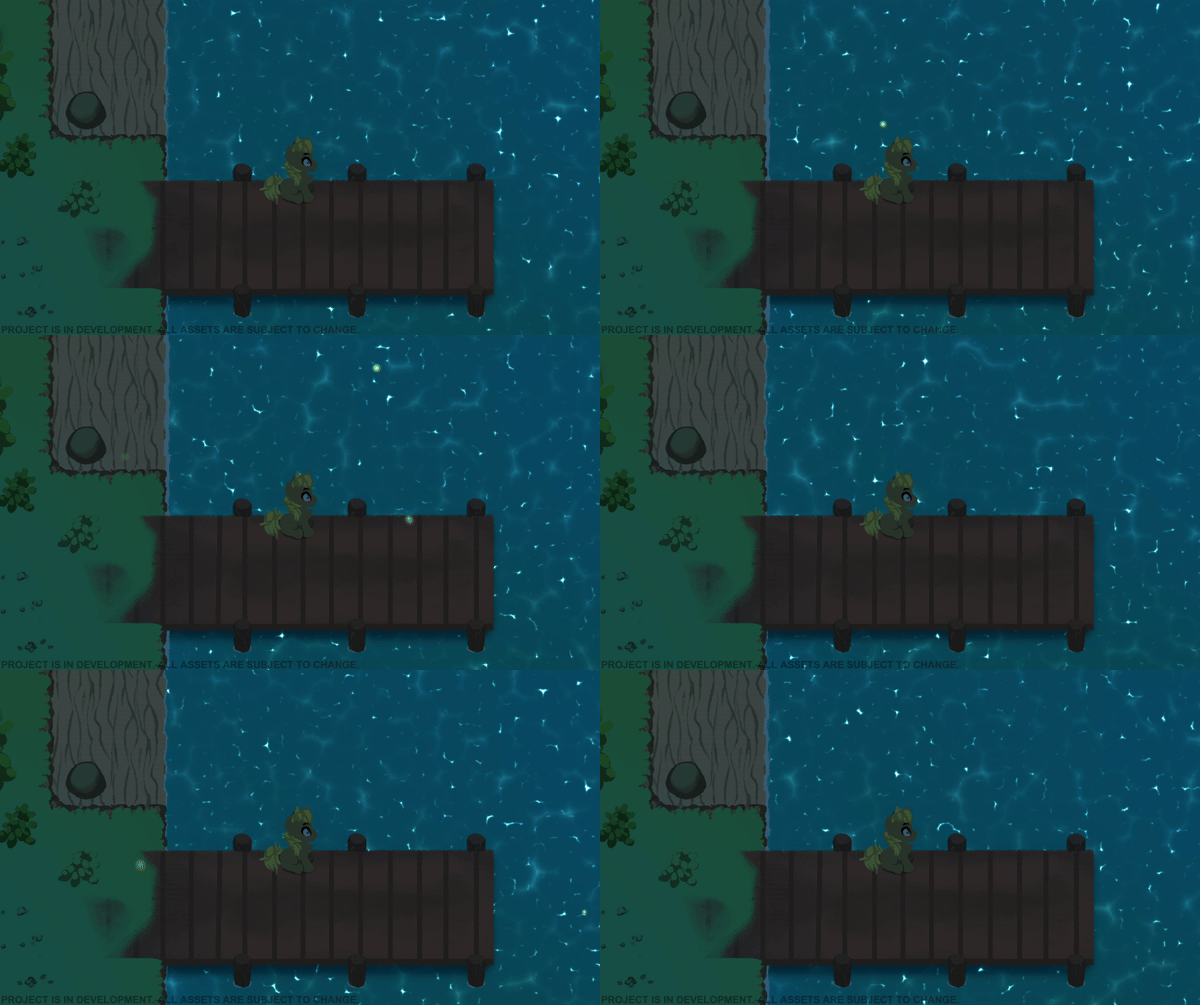 Maps and Doodling
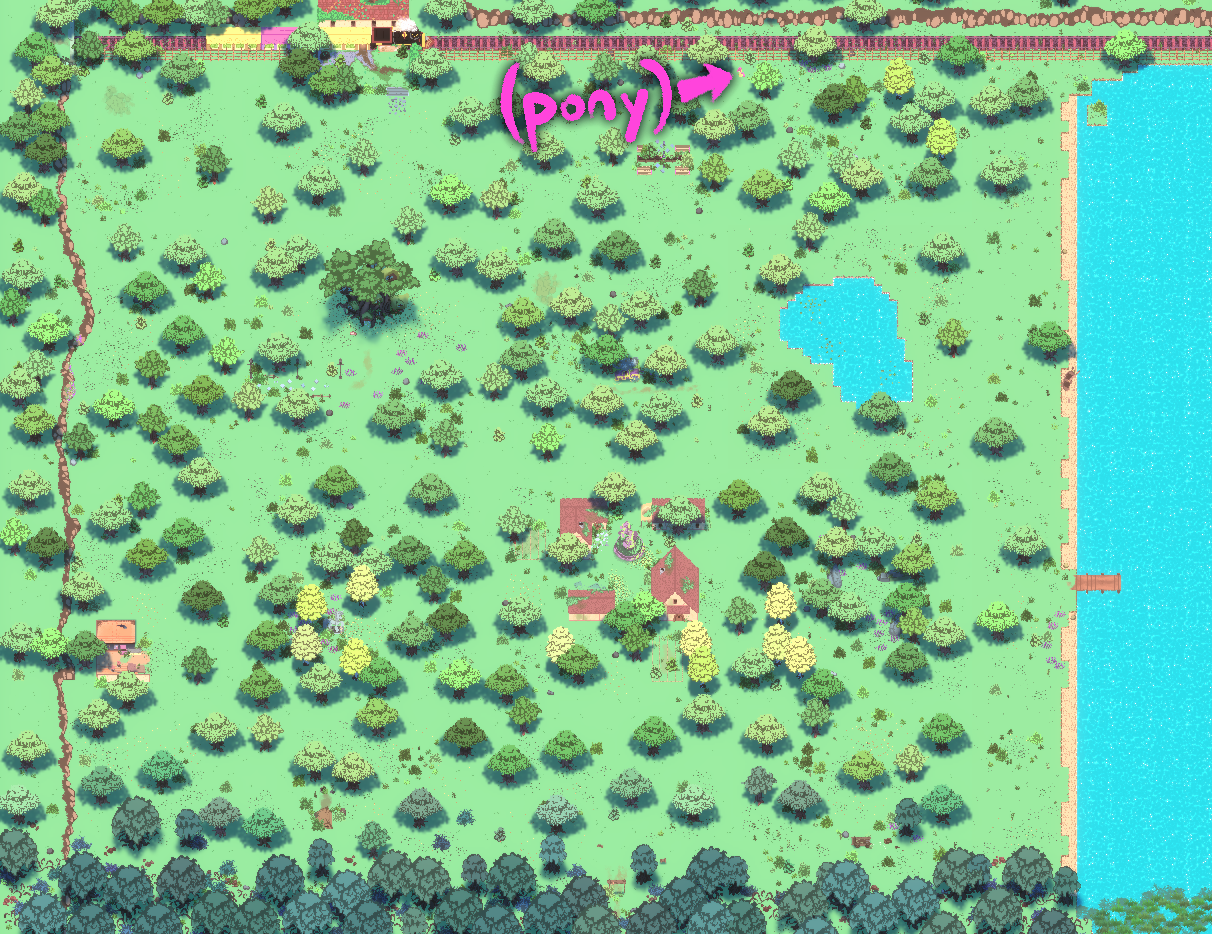
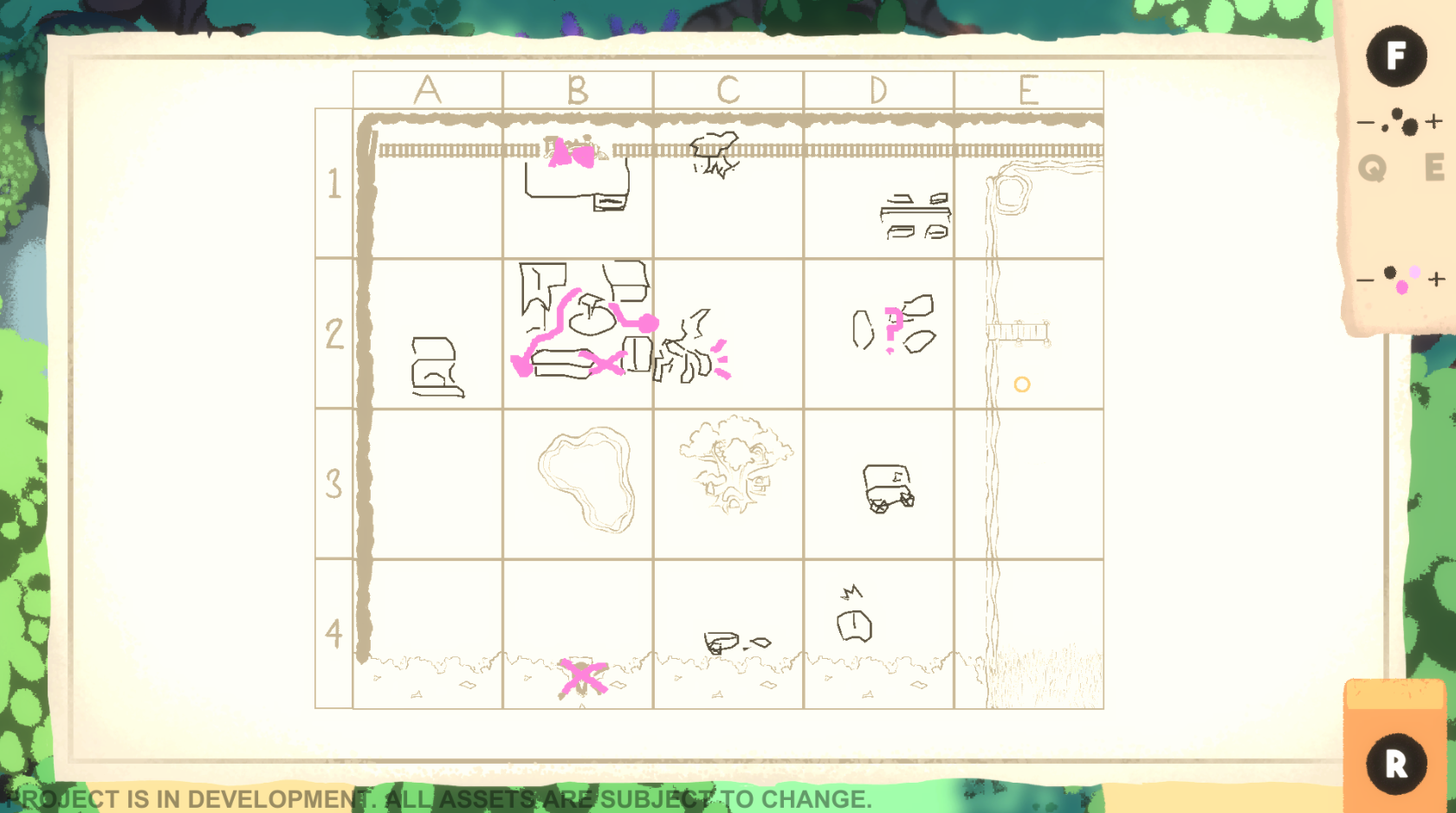 In that blog, I bemoaned how little faith modern games seem to have in our ability to navigate and figure things out for ourselves, which I show resistance to in this DIY approach to maps.


 Loading

